Senior Scientist, Biobased & Renewable Energy
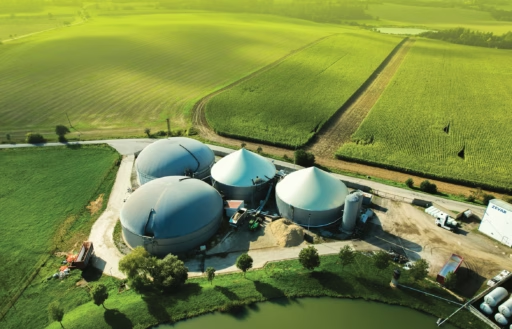
The Anaerobic Digestion Pilot Plant includes two 1,250-gallon tank digesters, each with approximately 1,100 gallons of working volume.
These digesters feature independent mechanical and hydraulic mixing systems and can operate in series, in parallel, or independently under different hydraulic conditions.
The system is fully equipped with sensors for real-time monitoring of gas production—using a volume by mass flow meter and composition by Near Infrared (NIR)—and also measures pressure, temperature, level, and flow, all of which are recorded on a client-accessible data acquisition system.
Two feeding systems allow for the input of low- to medium-solids slurries (up to approximately 15% total solids) and the blending of different ratios of individual feedstocks. Dedicated feeding tanks and a macerator enable blending of multiple feedstocks for codigestion studies.
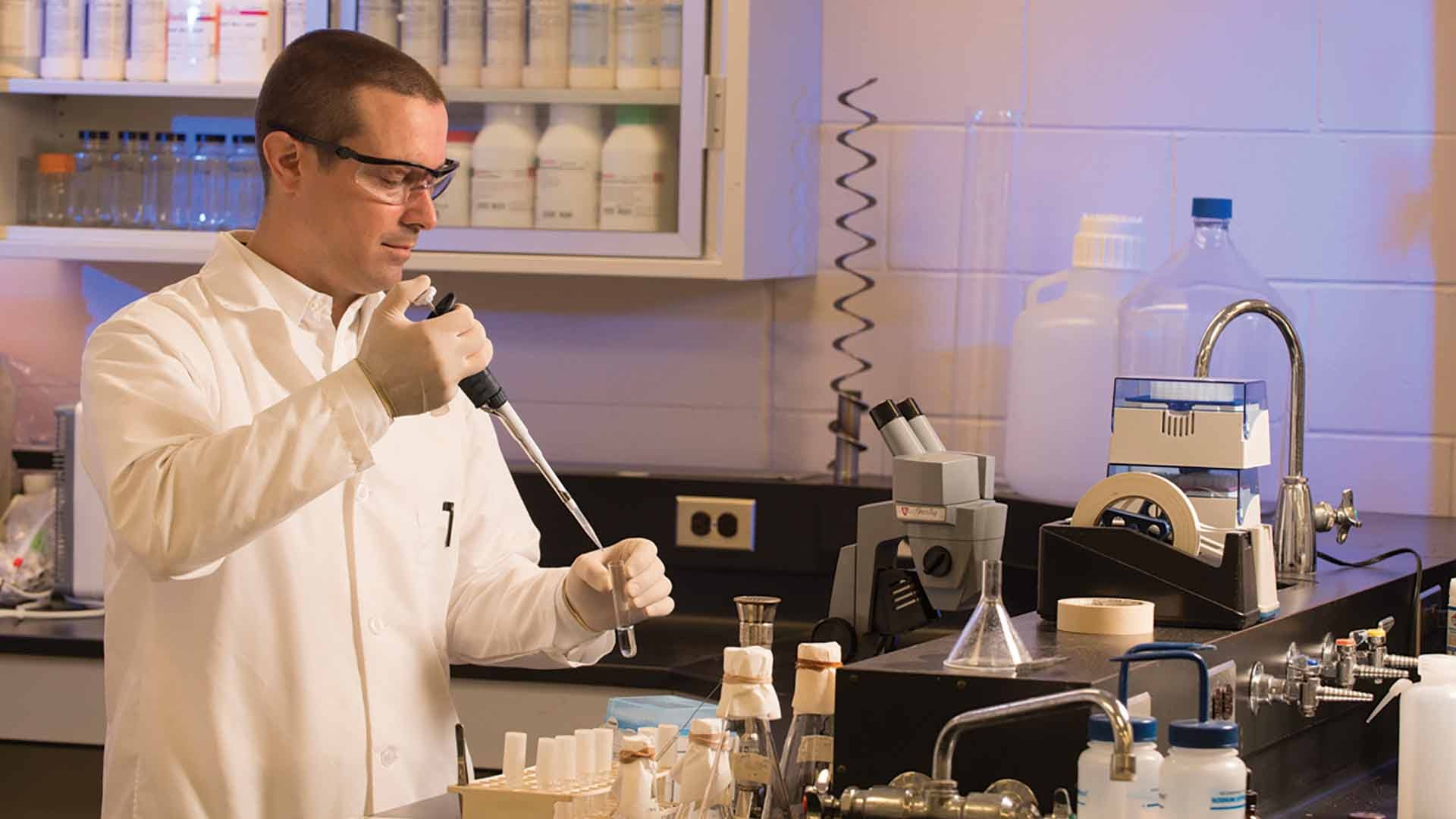
Pilot digester operations are supported by the Applied Biology Laboratory’s on-site capabilities for titrating volatile fatty acids (FOS/TAC) and total Kjeldahl nitrogen (TKN), allowing for close and frequent monitoring of reactor response and health across various feeding strategies and feedstock types.
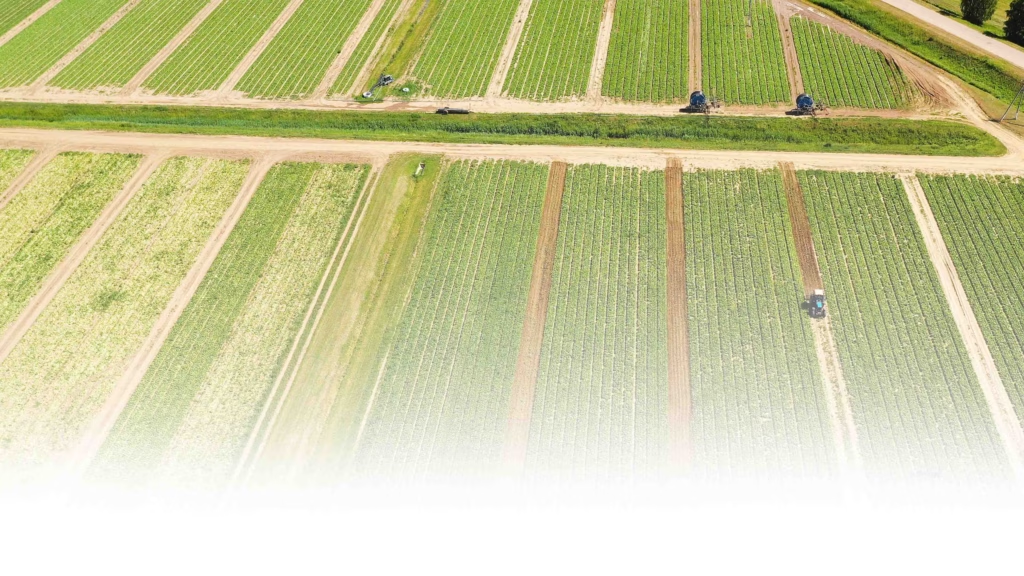
One key benefit of operating anaerobic digestion at this scale is the ability to produce significant amounts of digestate for fertilizer or soil amendment assessment, with the Biomass and Fiber Processing Laboratory providing any necessary post-treatment. For these efforts, AURI partners with universities to conduct field trials focusing on fertilizer performance and soil amendment capabilities.
Capabilities include:
Essential pilot equipment includes:
AURI’s Food scientists are available to provide consulting and technical services in the areas of product and process development, product evaluation and testing, sourcing materials, equipment and services